There are two main ways to drive into Alaska, Alaska Highway and Cassiar Highway. Most people go in one way and back another, so taking the Alaska Highway was the start of our Alaskan adventure. Stretching 2,232 kilometres, 1,287 miles, from Dawson Creek, British Columbia, to Delta Junction, Alaska, the Alaska Highway was carved through the wilderness in 1942 as a wartime supply road, and today it’s a legendary drive for adventurers, linking remote communities and offering views of the North. Amazingly it only took 8 months to build, especially when you think about the harsh long winters they have up there!
Mile Zero
We made our way toward Dawson Creek, the start of the Alaska Highway. To break the journey up there we stopped at a town called Grand Prairie. It is a modern, industrial hub shaped by oil, gas, and logging industries. The scenery was flat, the weather grey, and the charm…..limited. From there, the land opened into agriculture — golden canola fields brightening the landscape. But British Columbia’s oil and gas presence is strong here too. For the first 150 miles of the highway, we passed endless trucks, machinery, and glimpses of pipelines hidden in the woods.
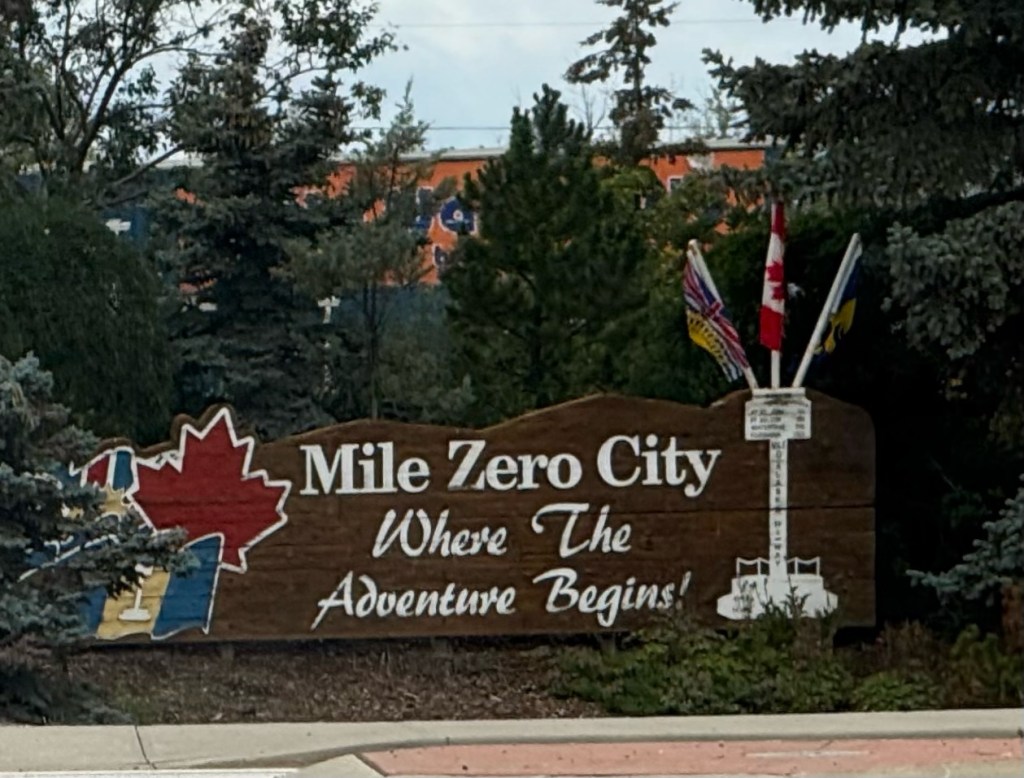
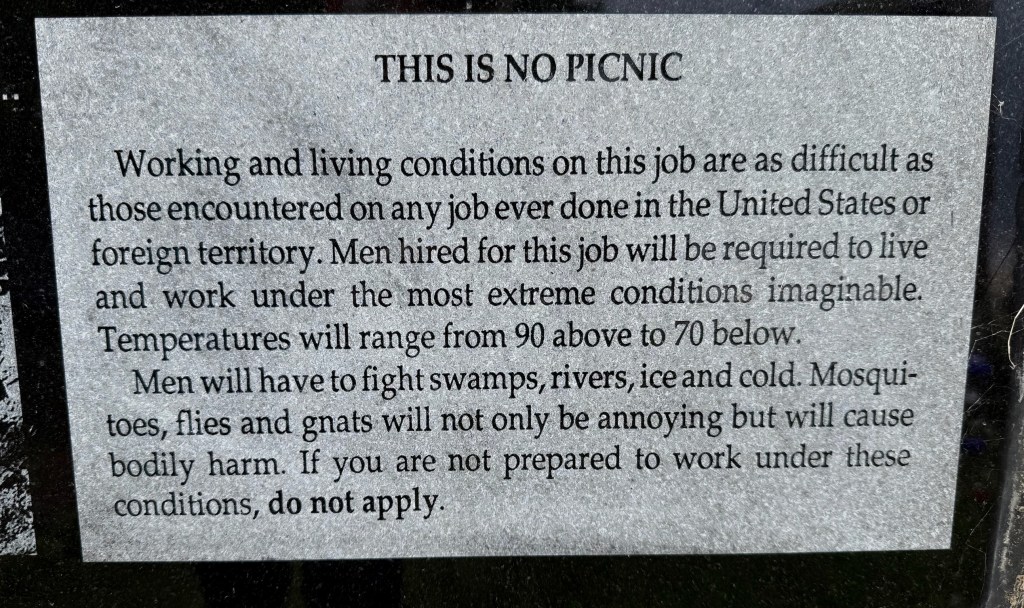
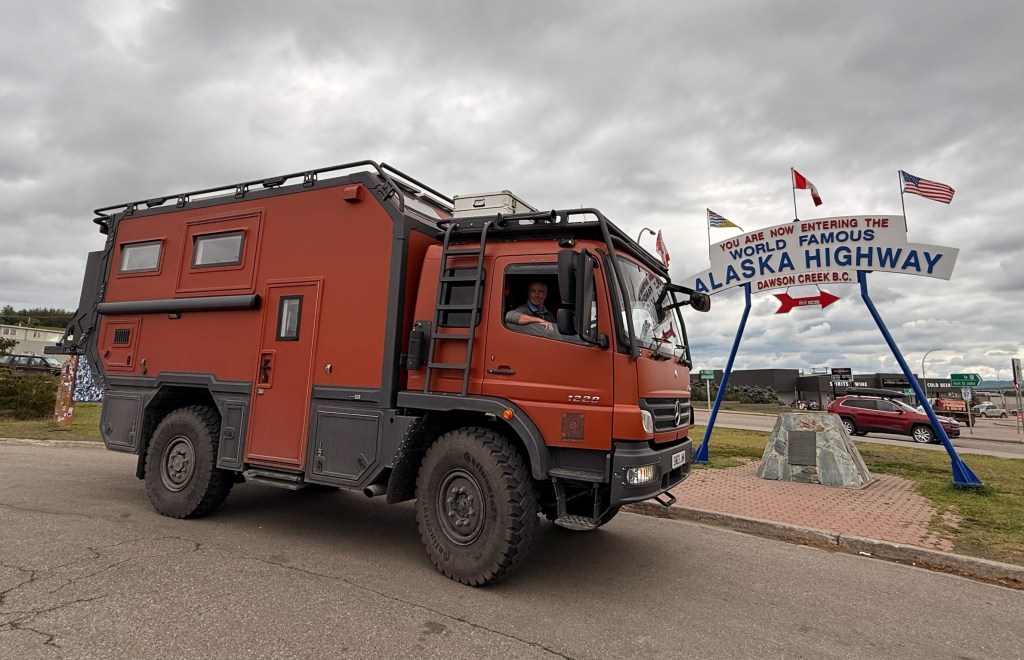
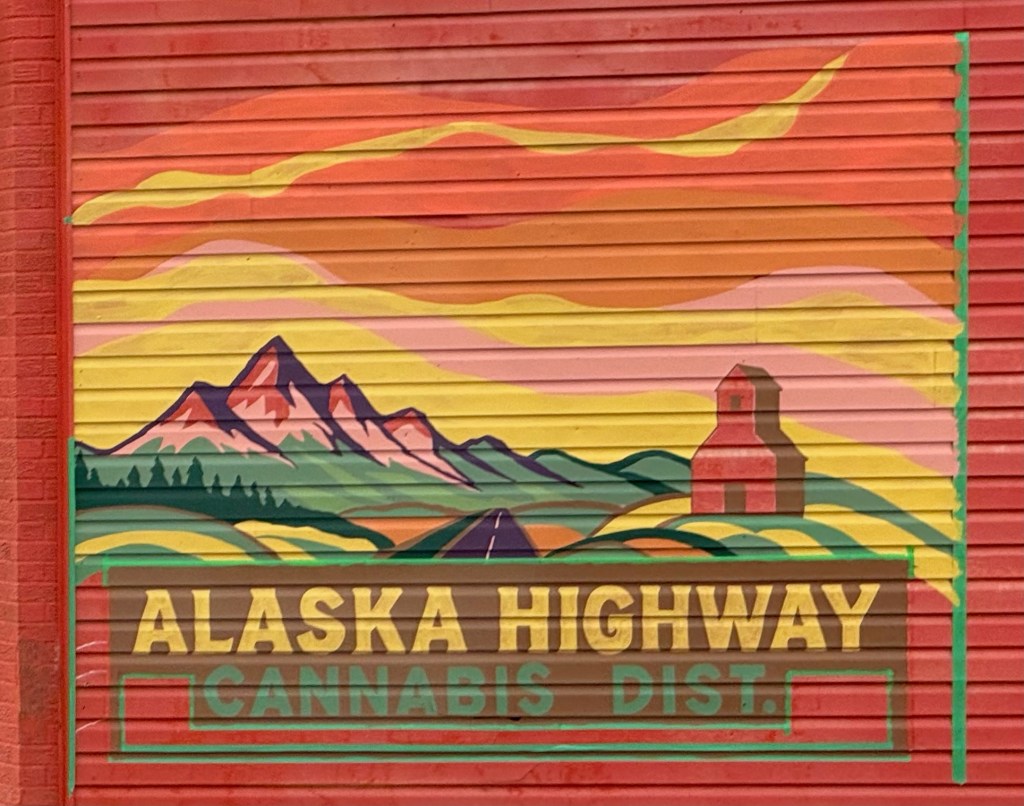
Dawson Creek, known as Mile Zero of the Alaska Highway, is not only the symbolic starting point of this legendary route but also a thriving hub for agriculture, energy and forestry in Northeastern British Columbia. When I went into the visitor centre here, I asked the local young man on duty what it was like to live in Dawson Creek. After checking I was not a journalist he told me it was a murder capital and had had 13 murders in the last year! We had observed that there were many Cannabis shops in the town, which are legal in the state, but he was ambiguous about whether this was related to the murders. So we quickly took our obligatory photos at the Mile Zero arch and set off on the Alaskan Highway.
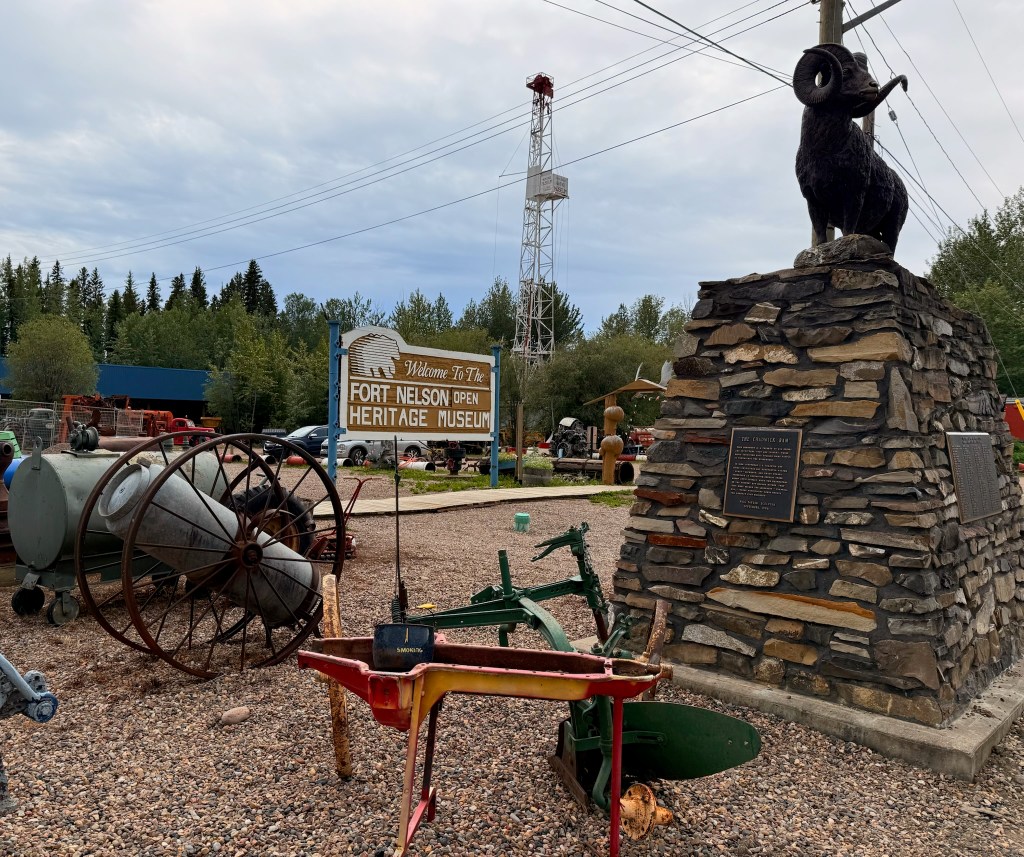
The highway took a few days and one of overnight stops was at Fort Nelson which sprang up during the Alaska Highway’s construction, so it has a modern (read: slightly bland) look. The exception is the quirky heritage museum, born from one man’s obsession with collecting abandoned relics. The grounds are filled with everything from antique trucks to whole houses preserved from bygone days.
We found a boondocking spot by a rocky riverbank — safe from flooding but apparently we were prime local entertainment. Over the evening, at least 20 cars and several noisy motorbikes drove by, slowing down to stare before roaring off again. No one stopped to chat, which is probably just as well.
The Cinnamon Bun Quest
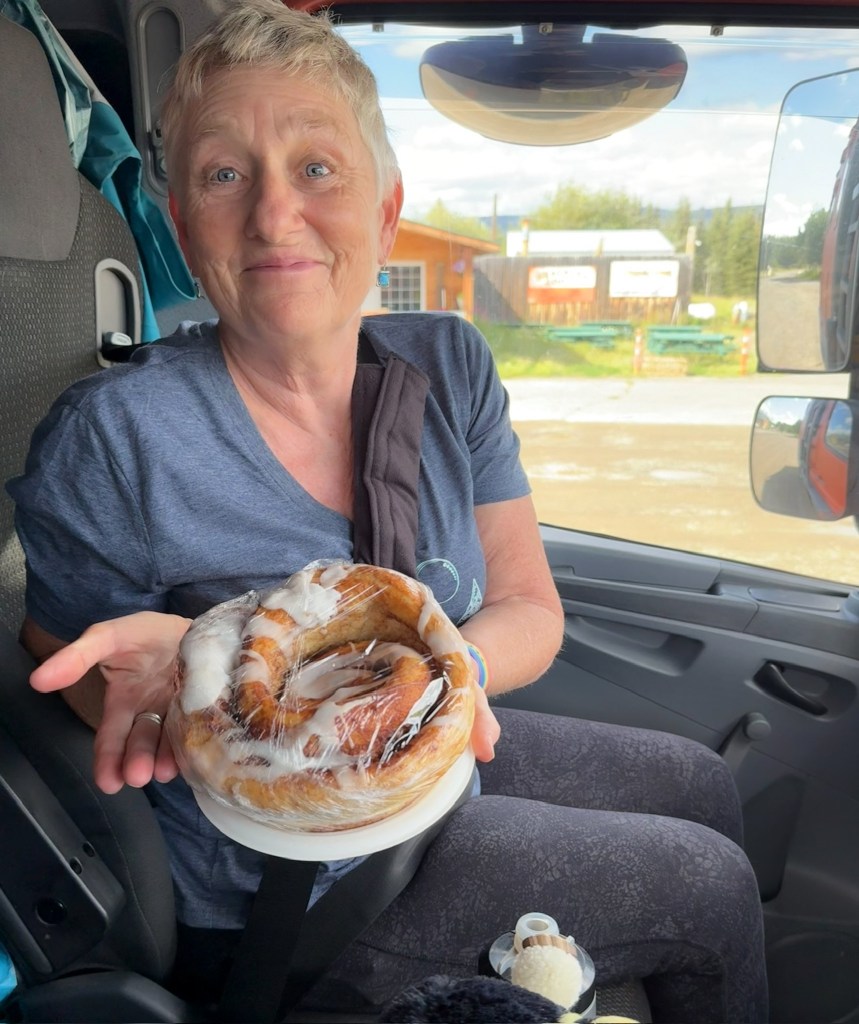
For some reason, RVers in Alaska and along the highway are obsessed with cinnamon buns. Naturally, we joined the quest. Our first was from Tesla Inn — warm, delicious, enormous, and $9 each. Worth it? Definitely, if only as a pre-lunch treat. Our next cinnamon bun was 2 days later, and boy was it a whopper, see below! That was enough for 4 people, in fact I did give half of it away to 2 cyclists from the Czech Republic who are over here, doing a long distant cycle and had arrived at our campground at 8 pm. We had seen them much earlier in the day and they had looked tired then, I think they needed the sugar hit more than we did! I also gave them a couple of beers as the local shop didn’t sell any!
Muncho Lake Magic
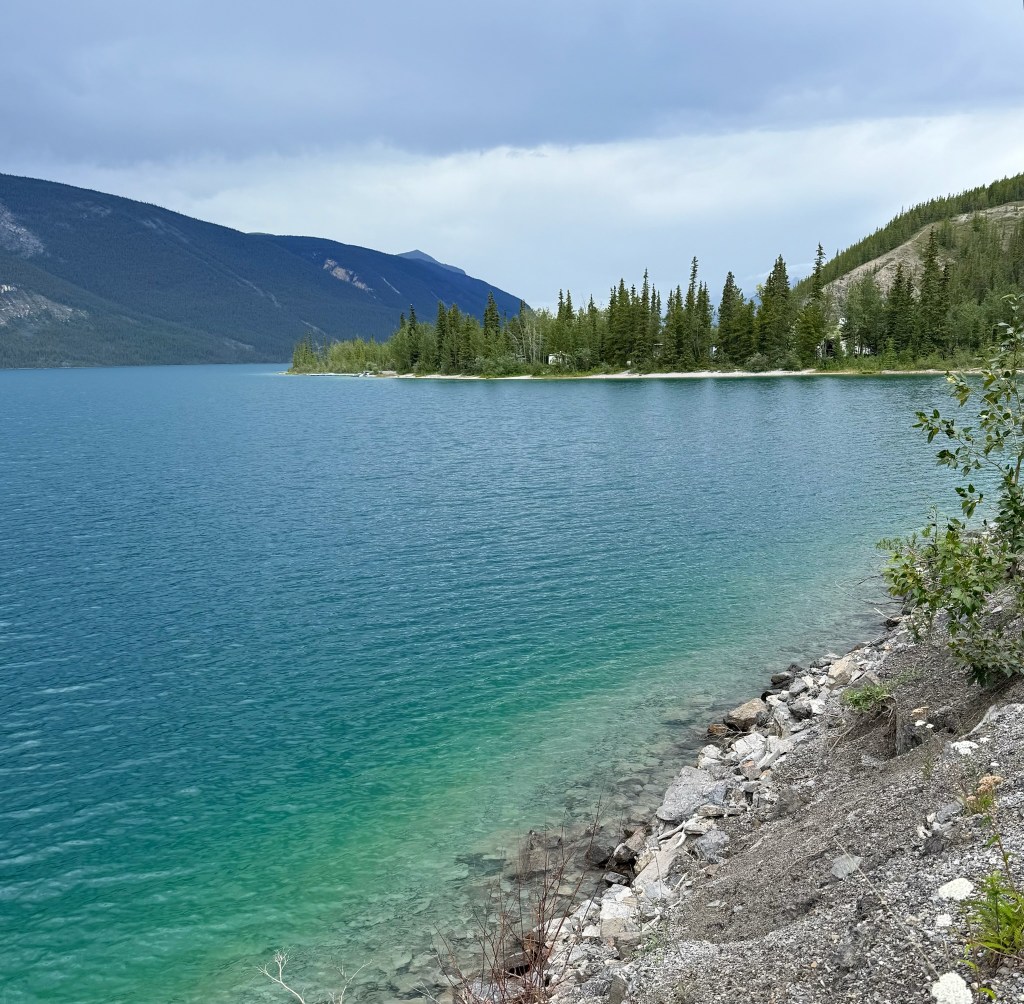
Our next stop along the highway was at Strawberry Flats Campground on Muncho Lake, we nabbed the last pitch right on the water (didn’t find any strawberries though). The lake shimmered in blues and greens even under grey and rain filled skies. Mark used the time to fix a stone chip in our windscreen — hopefully ready for Alaska’s legendary rough roads, and we bought 4 more repair kits just in case.
Wildlife Spotting, please!!
We left the beautiful lake, in more rain; come on Canada, we have had enough rain now! However, it wasn’t long until we had an unforgettable encounter with a herd of wood bison crossing the road or just sitting on the verge, many with young calves; this certainly brightened our day.

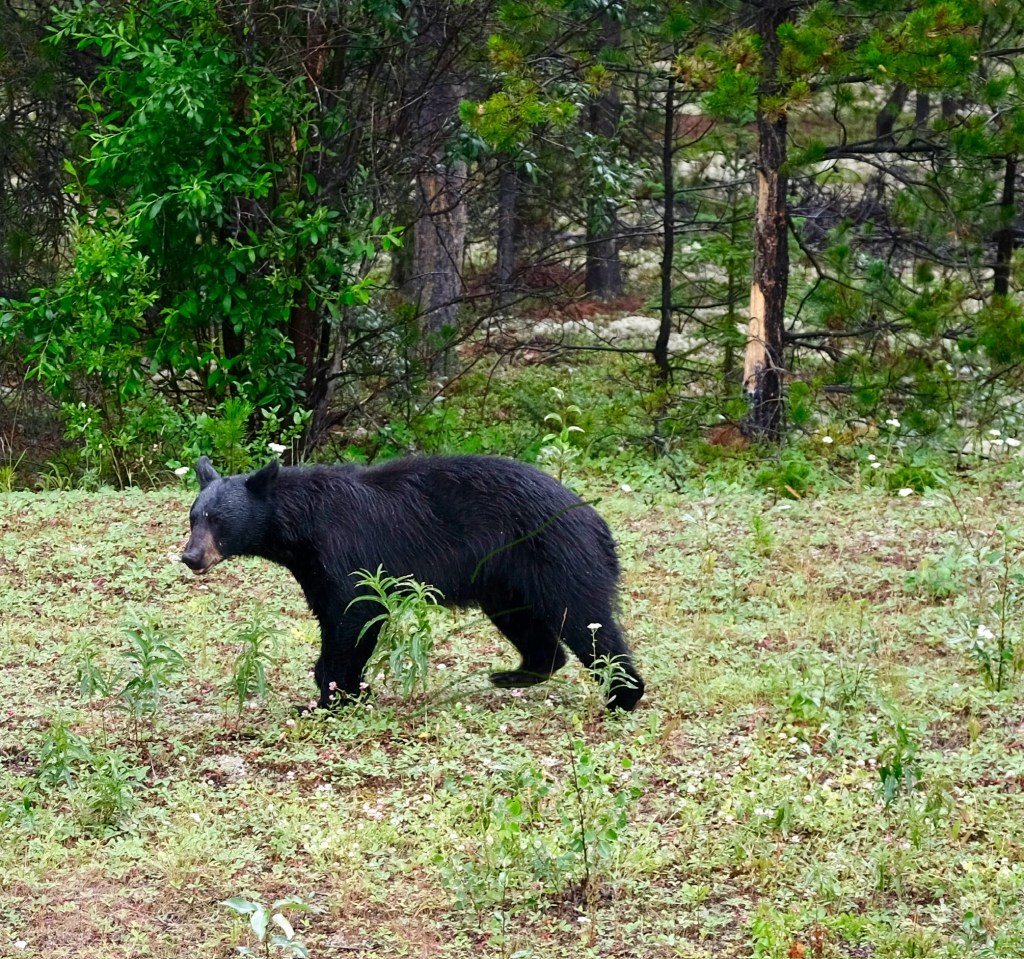
Our reality had been seeing lots of warning signs about various wildlife around, bison, elks, moose and bears, but not seeing very much at all! And then a second wild life sighting, this time a black bear, feeding on roots along the verge! We stopped and watched for about 5 minutes until they went back into the woods!
Did you see that Sign?
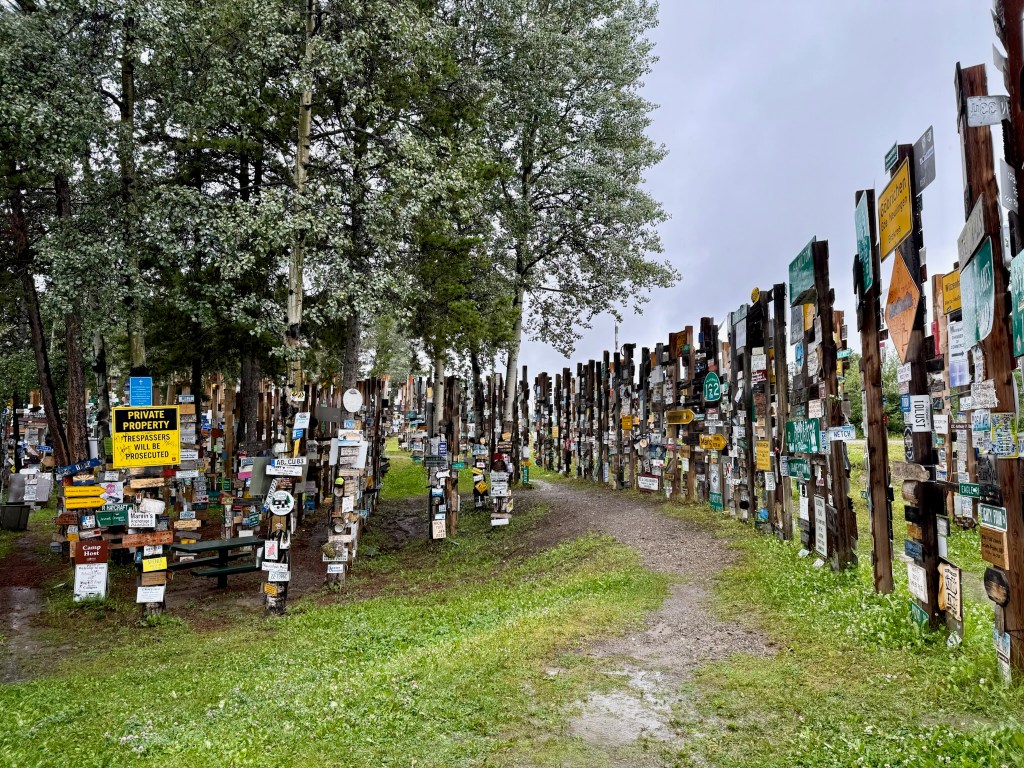
We entered The Yukon, and called in at Watson Lake, to see the iconic Sign Post Forest. This was started in 1942 by a homesick soldier involved in the highway’s construction, who posted a sign from his home town and thus started a tradition. There are thousands signs here from all over the world, mainly USA though; we looked hard for some from Ireland or Wales, and didn’t find any, and there still aren’t, as we didn’t add ours!
Wonderful Whitehorse
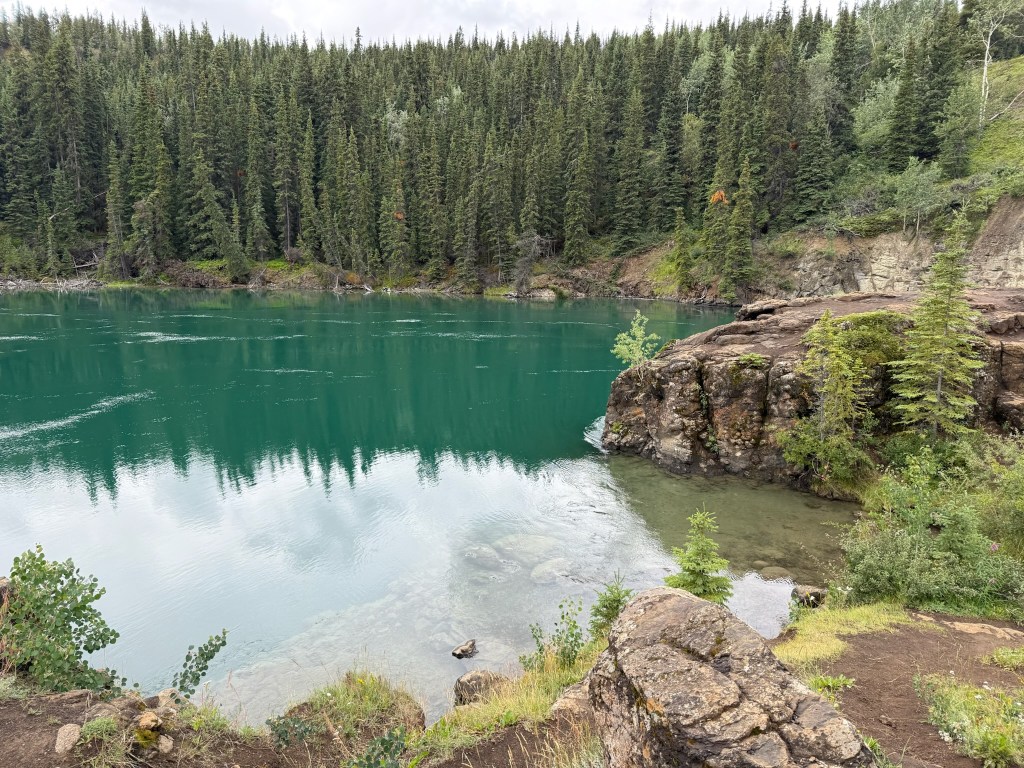
We ended the day with a visit and a stopover at Whitehorse, a major city on the Alaska Highway. First of all we did a bit of history sightseeing. We stopped to see Miles Canyon on the outskirts of, part of the Klondike Gold Rush history. In 1898 Miles Canyon was one of the dangers gold prospectors faced. A very fast moving piece of water through basaltic lava cliffs (also seen at Giants causeway) that caused many boats and lives to be lost. Eventually entrepreneurs built a wooden tramway to get around needing to use the fast flowing river, and the Canadian Mounties also introduced pilots, who for a fee, would navigate the rapids for wannabe prospectors. This is how Whitehorse started out its life. Nowadays the river is not so fast moving, as a hydroelectric dam has been built further up the river.
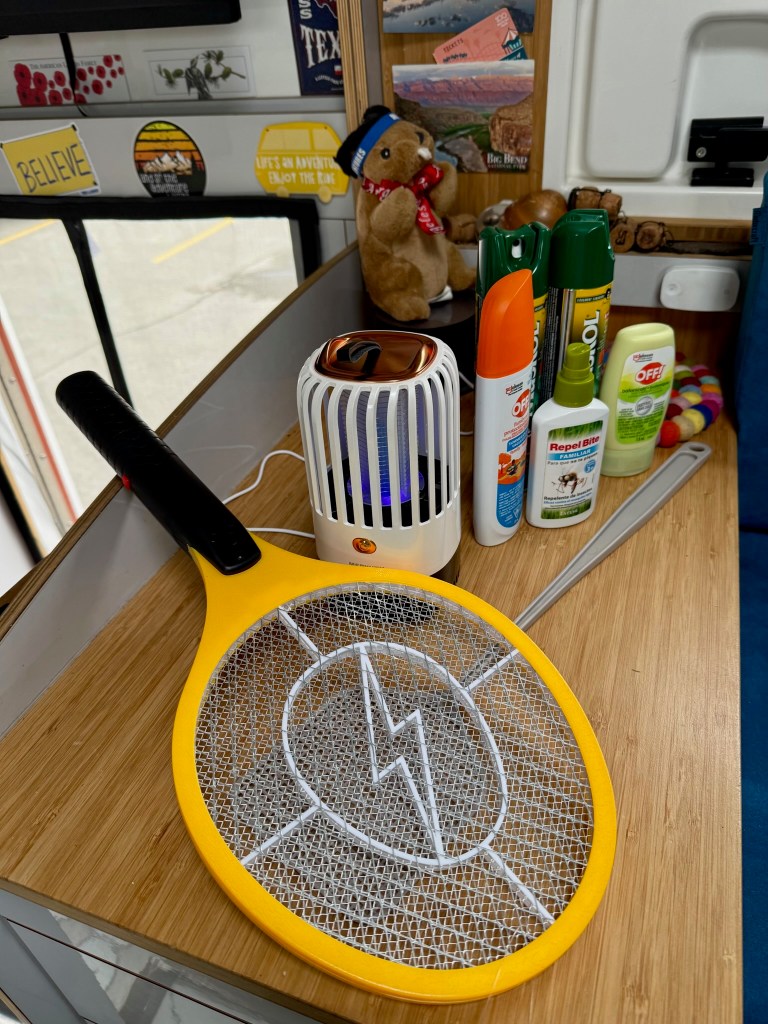
We then and went and did some shopping, calling into Canadian Tire, a shop that is a cross between B & Q and Halfords, for all things related to mosquito bite prevention, as Alaska is known for its very big mosquitos and rough roads!
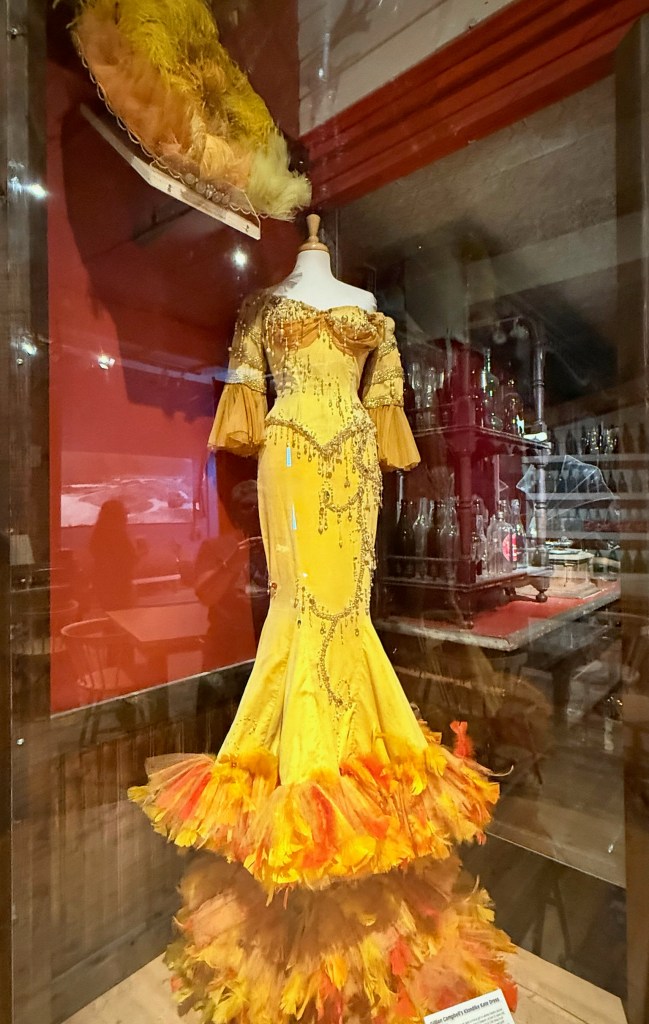
We actually parked for the night in a Canadian Superstore supermarket car park, the first such night we have spent; I think we could have chosen a quieter spot, traffic seem to go on until about 3 am! Whitehorse has a great little museum , almost named after my paternal family, MacBride ( I was a McBride). Of course we had to go in it! It was great, some history about First Nations, Klondike Gold Rush and theatre costumes!
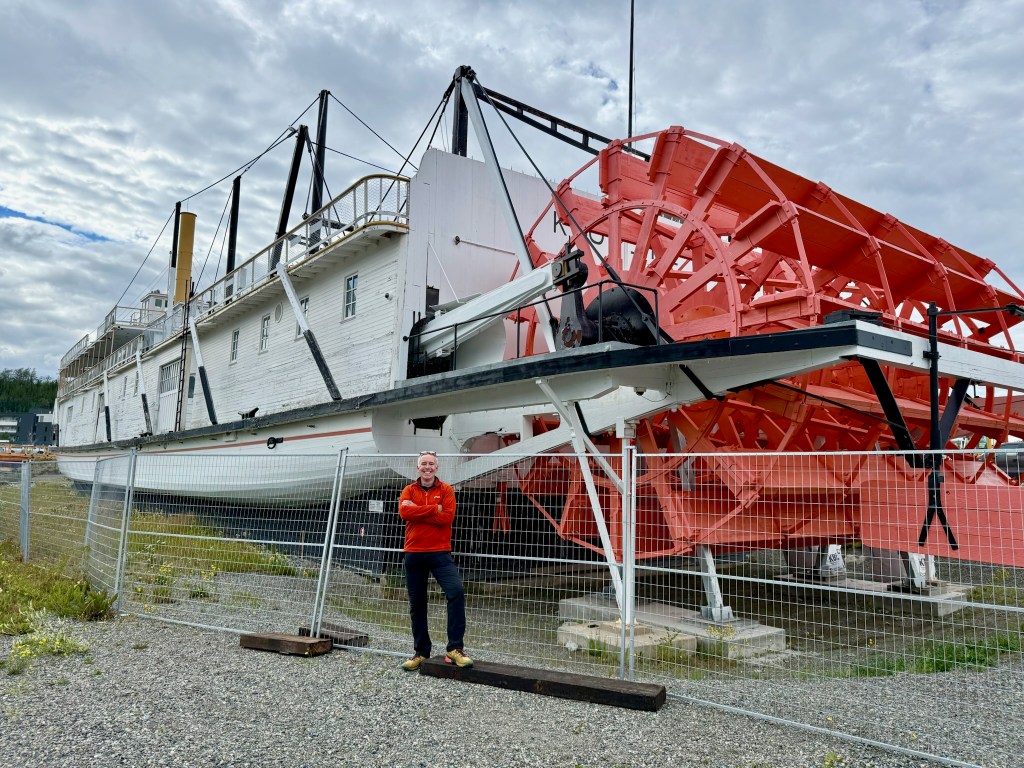
\We walked along the Yukon river to see the SS Klondike, a steam powered paddlewheel that used to run from Whitehorse to Dawson City until 1950. Then we stopped off for some well earned libations and food (well it was a Friday!) and sight seeing is hard work, LOL!
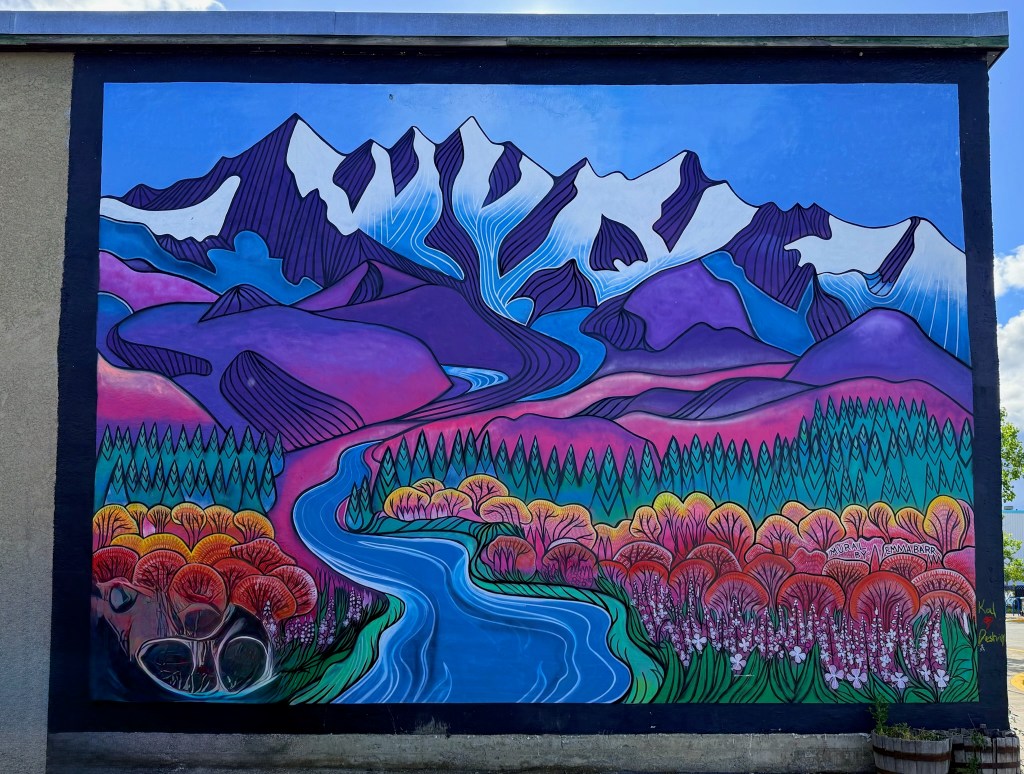
The next morning I enjoyed an early morning walk around old town Whitehorse, which was great because there are a lot of murals and art to spot, before heading off on our road journey north!
Dawson City aka ‘the Paris of the North”
We now deviated from the Alaskan Highway to the Klondike Highway, which follows much of the route forged during the gold rush of 1898. Two days later, after driving through some great scenery, mostly along the Yukon River, we arrived at Dawson. When we are driving we sometimes listen to podcasts about the places we are in. Along this part of the journey we really enjoyed listening to a series about the Klondike gold rush. This gave us a great perspective about the area and our imaginations ran wild imaging life in this wilderness for those people desperate to make their fortunes and have adventures.
As you arrive into the Dawson area you see the surrounding land is covered in tailings from past and current gold mining, vast piles of rock and gravel left behind. Then you turn off the road into town and the surface changes from tarmac to hard packed dirt, it definitely felt like we were stepping back in time! As we drove to our campground we spotted lots of old looking buildings and thought it looked an interesting place to see.
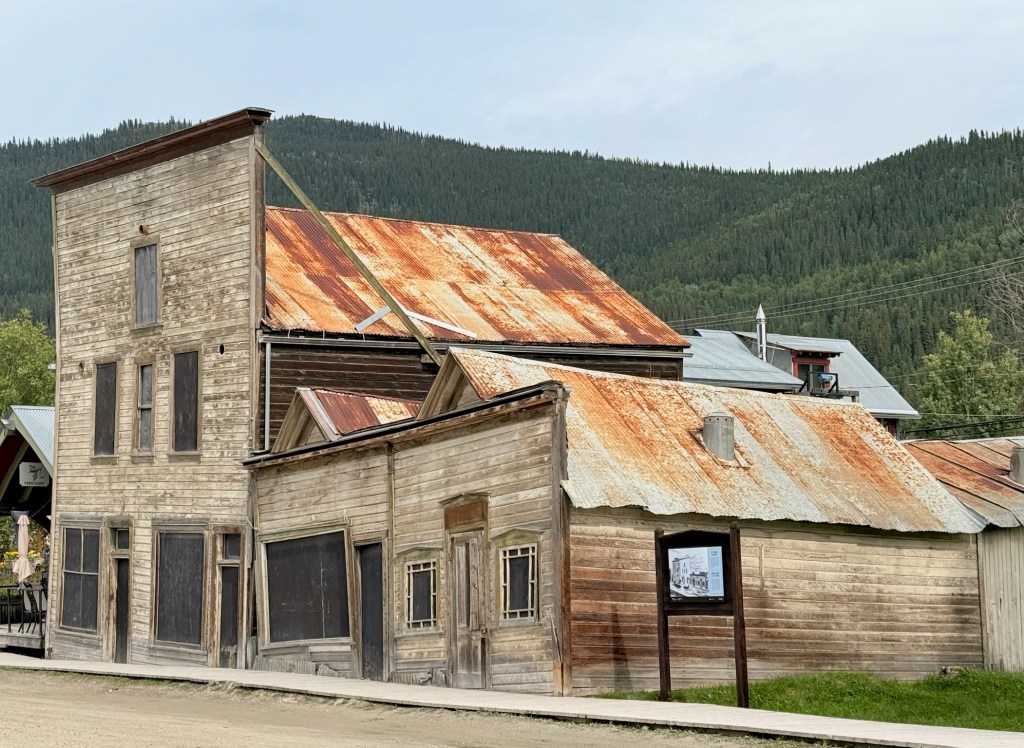
After settling in we went for a little explore, and saw lots of buildings that looked as they would have done over 100 years ago. Parks Canada are doing a good job of buying up some of the historical building and refurbishing them.
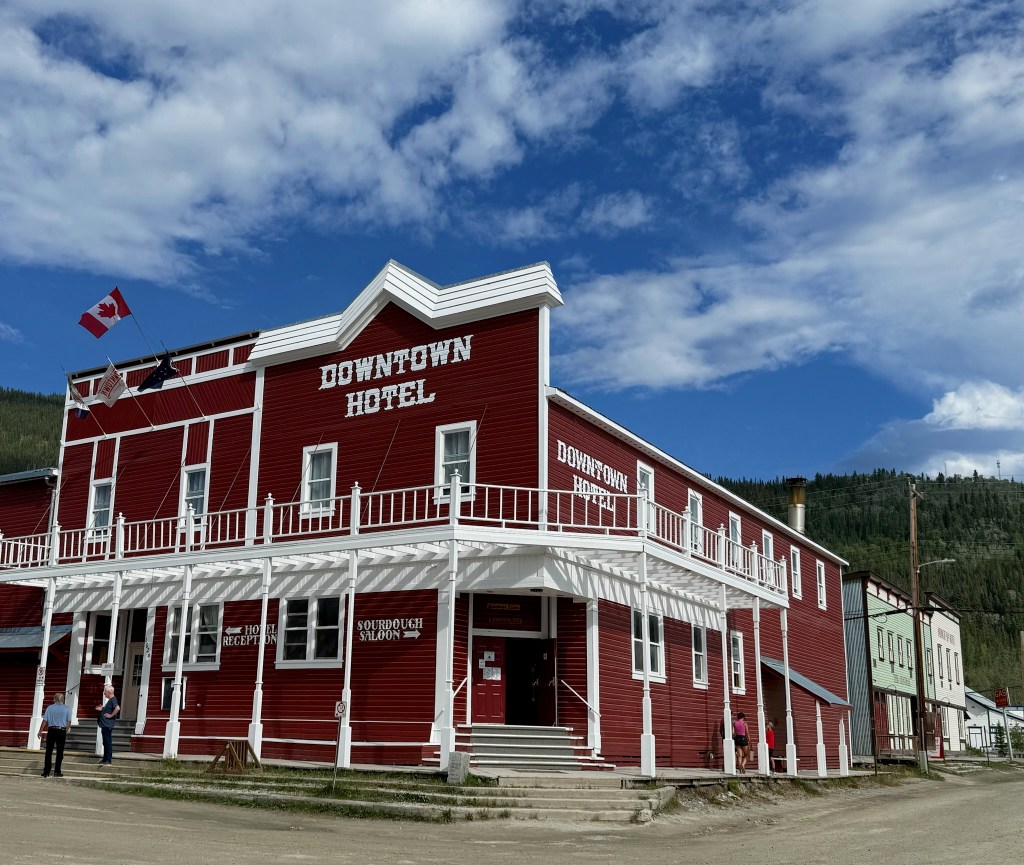
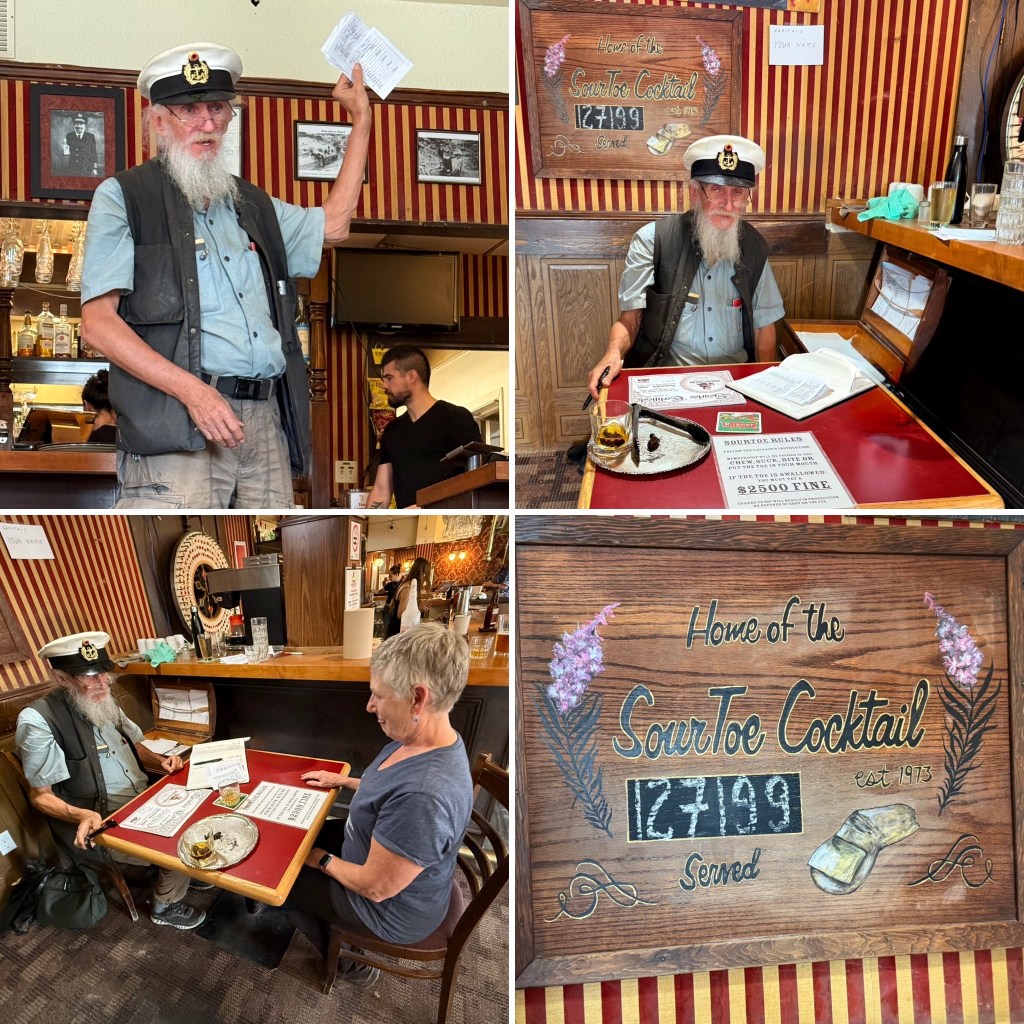
One of the more interesting traditions in Dawson is joining the Sourtoe Cocktail Club! Of course, knowing I like a cocktail, this was one for me. We went to the Downtown Hotel, Sourdough Saloon, and officially joined the club. To do this you have to drink a shot of Yukon Jack Whiskey and make sure your lips touch the frostbitten toe! The original toe was from the 1920’s and saved in a jar of rum, the bottle was rediscovered in 1973, when the tradition and club was started. A bit of fun that a lot of people queue to do, and to be honest the shot was quite tasty, and yes we both touched the toe with our lips (which is hygienically cleaned after every participant!)
The following day, we cycled out to see where the site of the original gold discovery that started the whole Klondike Rush was made. We found it, well signposted, but no gold to be found in the stream! The gold found at that time was called placer gold, flakes of gold naturally released from its original hard rock through erosion and weathering and found in streams and riverbeds. That is why you see images of people panning for gold. In this area gold mining is still ongoing, but they now have heavy machinery and specialised wash plants to extract the gold.

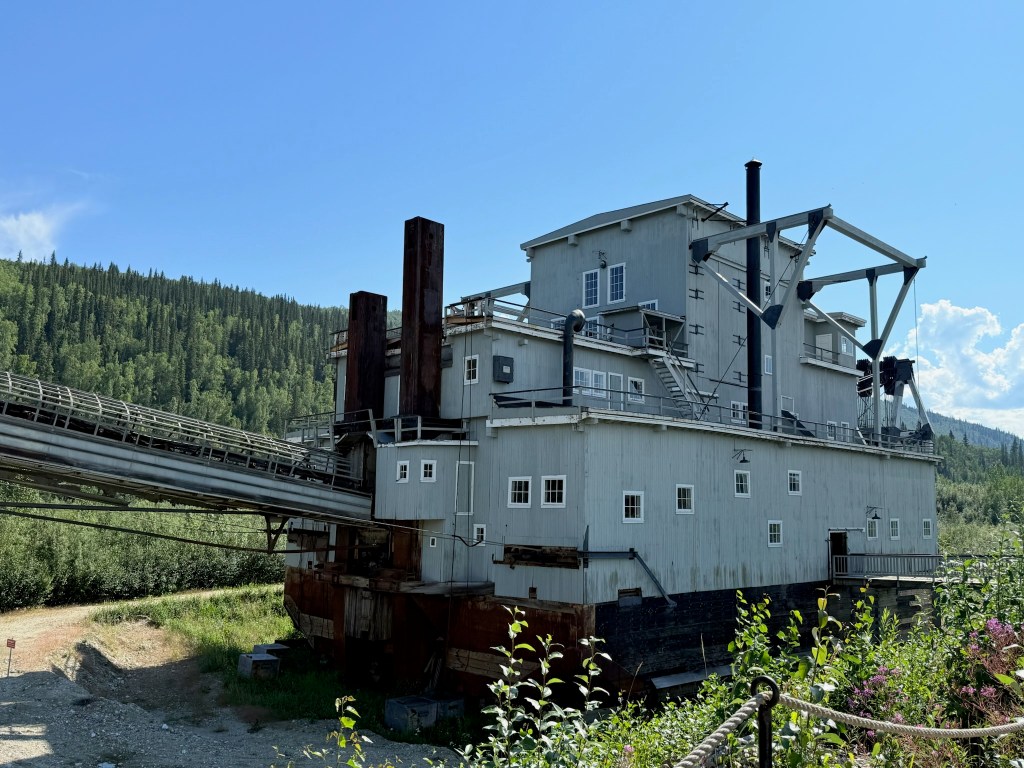
For a while they used to use dredgers, and dredger no 4 is now a museum piece that we did a tour around, fascinating; these machines have caused a lot of the hills of tailings/spoils we saw in the area.
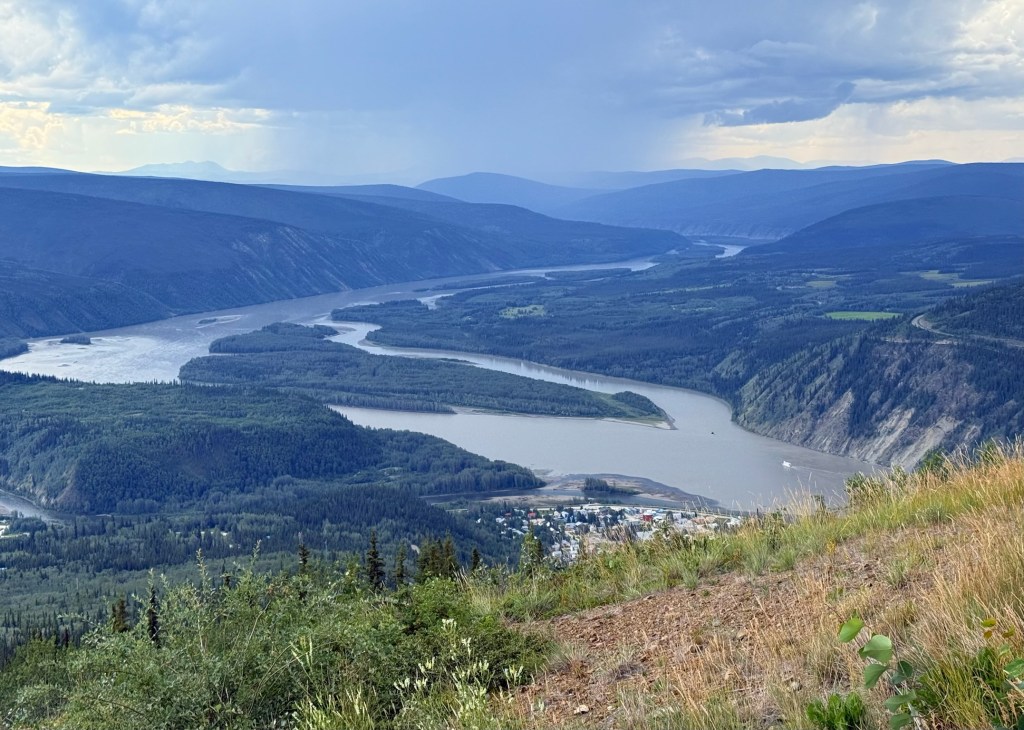
After seeing some of the history about Klondike Gold Rush, the reason Dawson City exists, we cycled up to a great view point to look out over the city, the confluence of the Yukon and Klondike rivers and the miles of tailings. Whilst riding up there, a few miles, we saw signs warning of bears, and we didn’t have our bear spray! We kept examining the tree lined edges closely for any signs of bears, and fortunately we got back into town safely. Being bear aware is something that we are constantly vigilant about here in the northern parts of the USA and Canada.
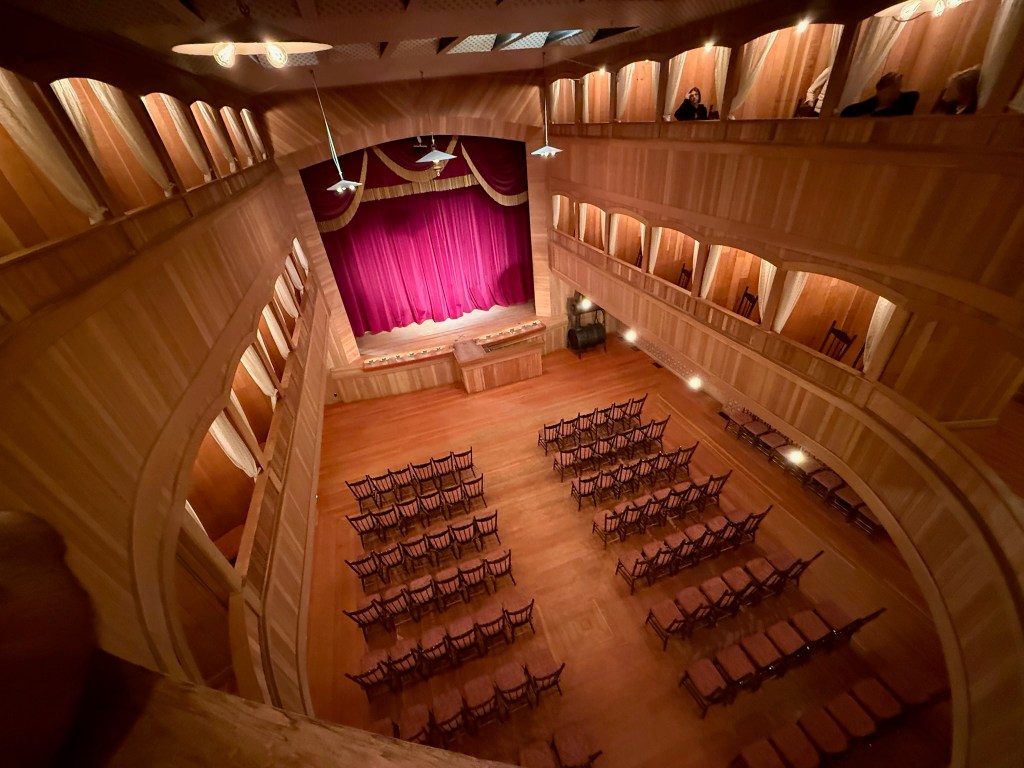
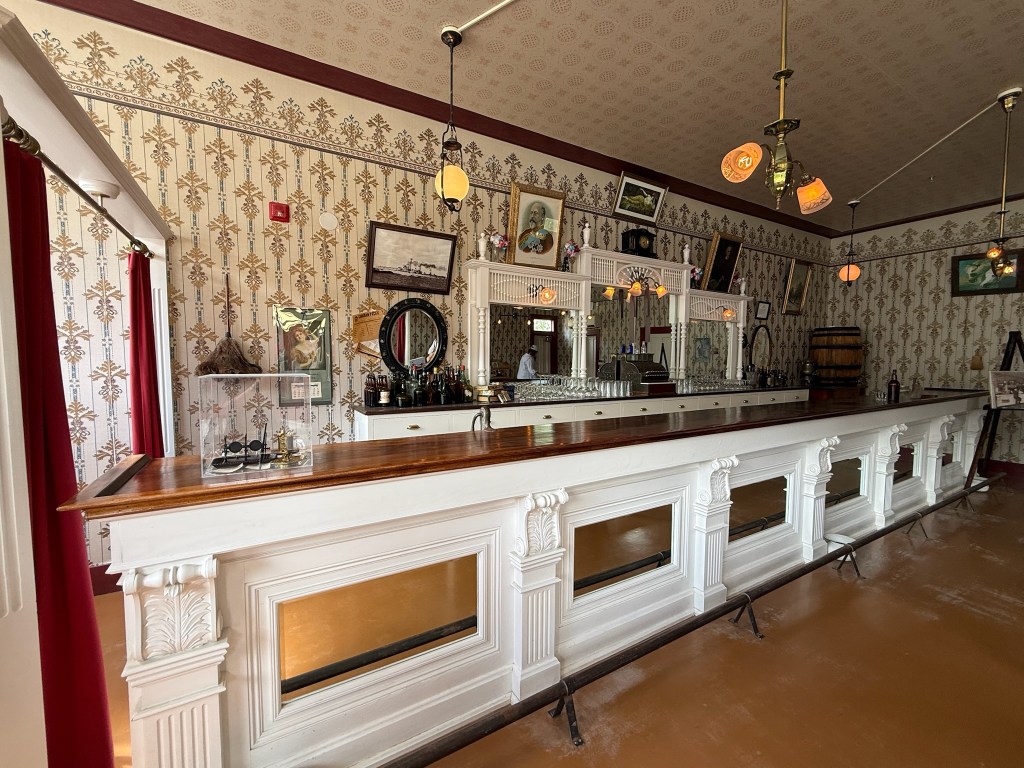
The next day we did more history, well that way why we came here. Parks Canada do a great walking tour of some of the historical building in Dawson from that era. We visited the first bank, a very posh bar, houses of working ladies and the original post office. As I have mentioned it was known as the Paris of the North, the bar we went into gave us a feel for how they liked fine things here, but the Palace Grand Theatre was the piece de resistance. A fine theatre, with an interesting but short history; when the gold rush boom finished the theatre quickly fell into disrepair! It was restored in 1962 and is now a National Historic site.
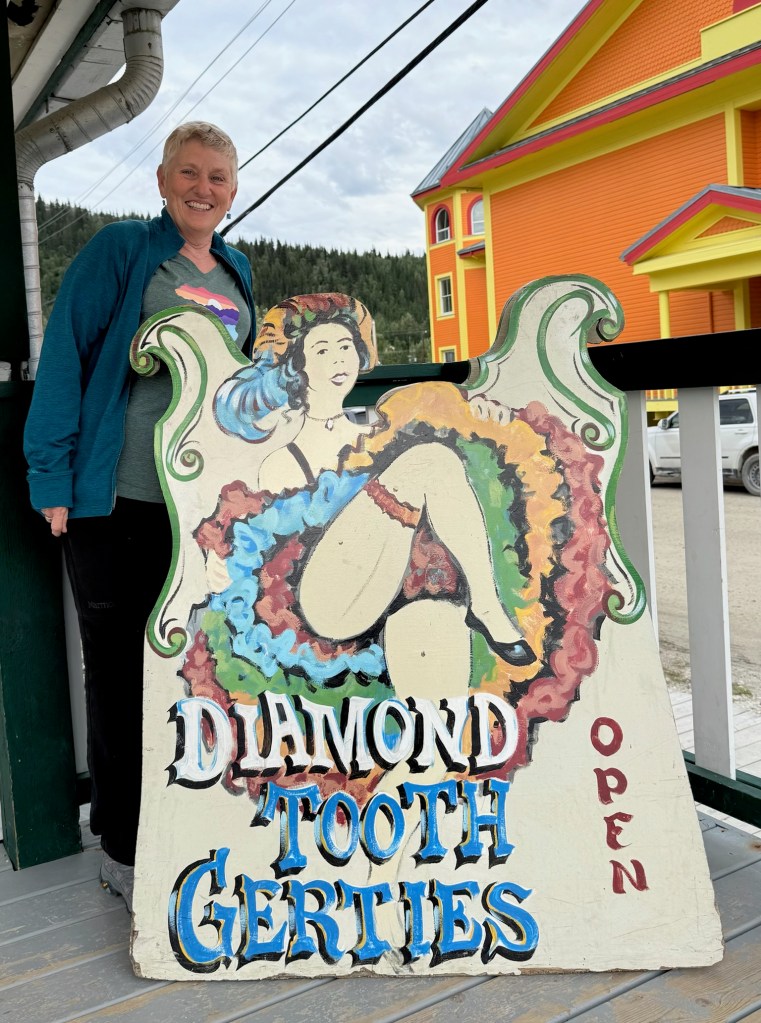
As it was my birthday we ended our day by visiting the oldest bar in town, the Westminster Hotel, with a floor that would make you feel drunk without a drink as it was definitely wonky. Then we had a Greek meal, in Dawson who would have expected that! The best bit of the day was going to Diamond Tooth Gerties, Canada’s first and oldest casino. It has nightly cancan shows and gambling tables, capturing the Gold Rush Era spirit. It was great fun, and I got to do the cancan on stage with the girls! Any profits made go to the community, isn’t that great!
Top of the World Highway
So, having had a great few days in Dawson it was time to drive the Top of the World and get to Alaska! We have wanted to visit Alaska for a long time, will it live up to our expectations?

 Happiest when exploring